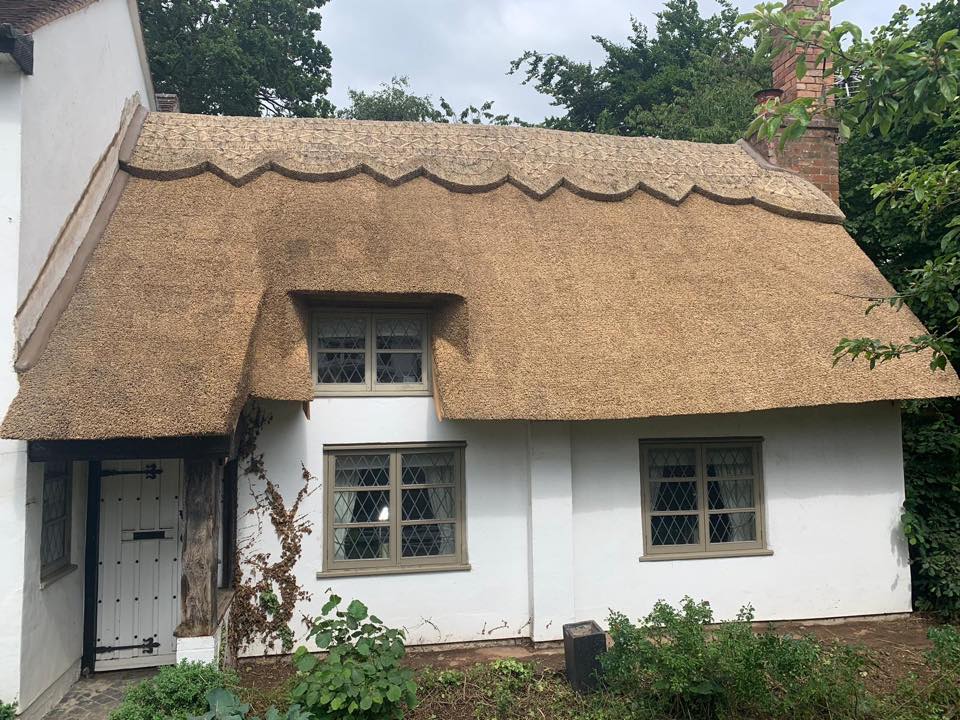
How Often To Re Thatch A Roof
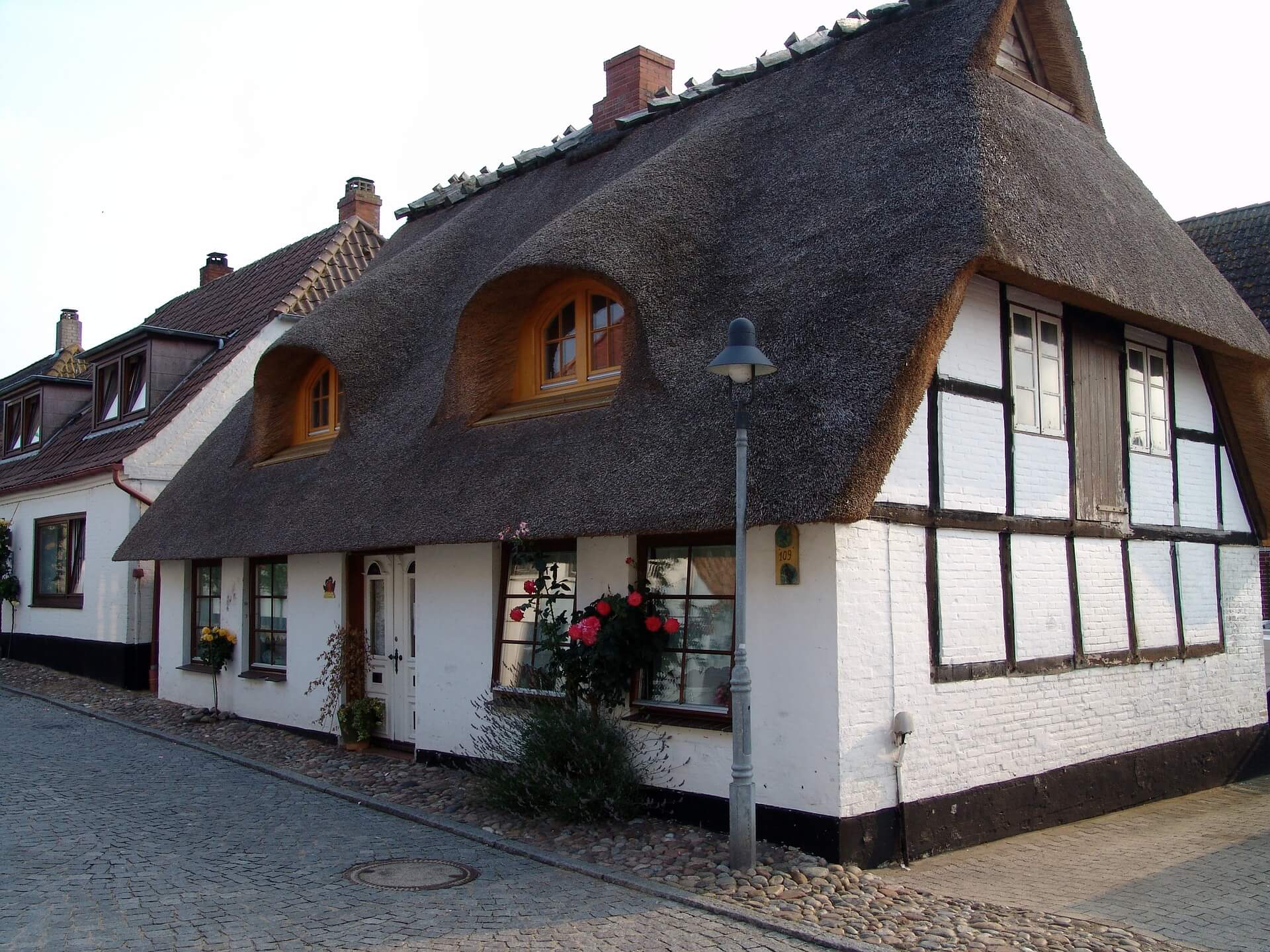
Are Thatched Roofs Expensive To Replace Moneyhighstreet

When Should A Thatched Roof Be Replaced Moneyhighstreet

Maintaining And Repairing A Thatched Roof Blog Insurance Choice

How Much Does It Cost To Thatch A Roof

Repair Or Re Thatch

Maintaining A Thatched Roof Thatching Info Com

To keep your thatched roof looking great there are a few things both you can do and roof thatchers can do.
How often to re thatch a roof. As a thatch reached the end of its usefulness it was normal practice to gradually do more and more repairwork one of the directional methods of thatching on the weak areas of the main roof until the whole roof was covered. A steeply pitched roof is of the utmost importance. 50 to 55 degrees of pitch is more desirable. These are just indicative signs.
Since the dry thatch will have a longer life it s possible to strip off the top layer every ten years or so but leave the lower layers in place. The thatch above windows or in a valley is often thus. This is normally acceptable. Many roofs have areas near or below this minimum pitch.
With that said there s a slim chance that you might not need to replace your roof every so often. If a thatched roof is well made water will only penetrate to about 50 mm which is about 20 of the whole depth. But this is a case to case basis. Ridges provide excellent opportunities for the thatcher to demonstrate their decorative skills so the design of a new ridge will influence the cost of its replacement.
As mentioned weather conditions can be very unpredictable. When should a thatch roof be brushed. Although a thatched roof should last around 30 years before it must be replaced the ridge should be replaced every 10 to 15 years as it receives the most wear and tear from the weather. Keep an eye on your roof throughout the year especially before and after winter you can see where about on your roof needs repair by checking the ridge.
Lead and cement flashings coming away from chimneys and gaps where they meet the thatch should be checked and cement flashings which are cracked or broken may need looking at. Generally a roof should have 3 4 brushings in it i e it should be thick enough to allow 3 4 separate occasions of brushing over the years before it needs to be re thatched. As a general guide most thatched roofs need brushing ever 8 or so years. Rarely is attic venting needed in a structure with a thatched roof because the natural materials breathe so well.
A thickly thatched roof is not the best roof it is down to the pitch of the roof. But in cases where poor design or installation results in poor breathability the lifespan of a thatched roof will be reduced. Roof breathability thatched roofs tend to breathe very well on their own. Aside from this other factors would cause the quality of your thatched roof to deteriorate e g mold.
But these portions of the roof.
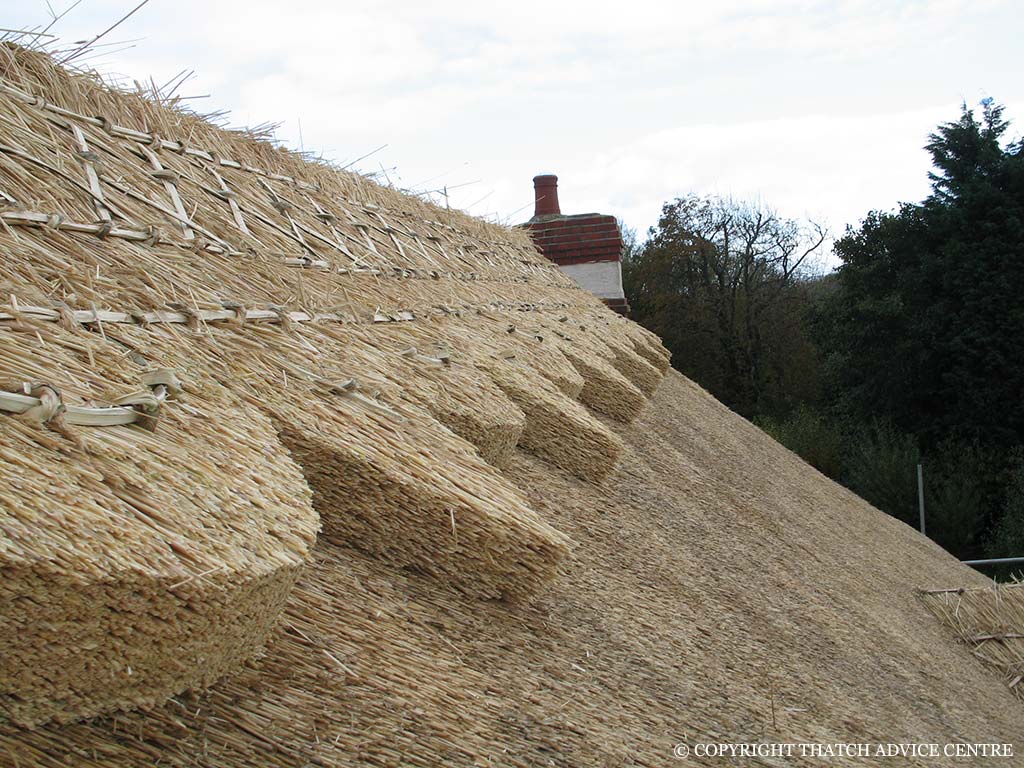
Maintenance Thatch Advice Centre
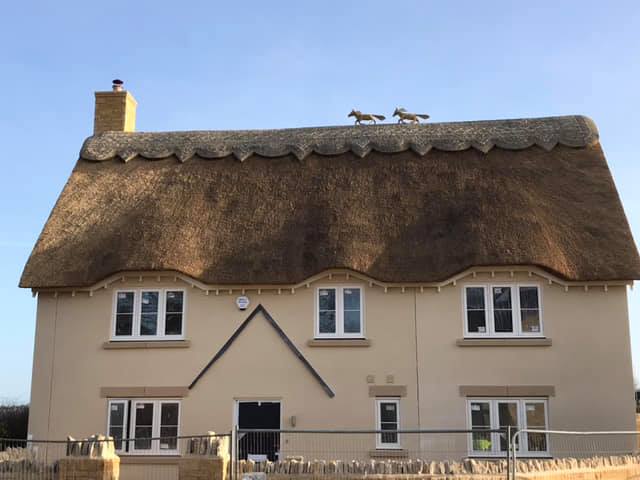
Why Get A Thatched Roof Advantages Disadvantages
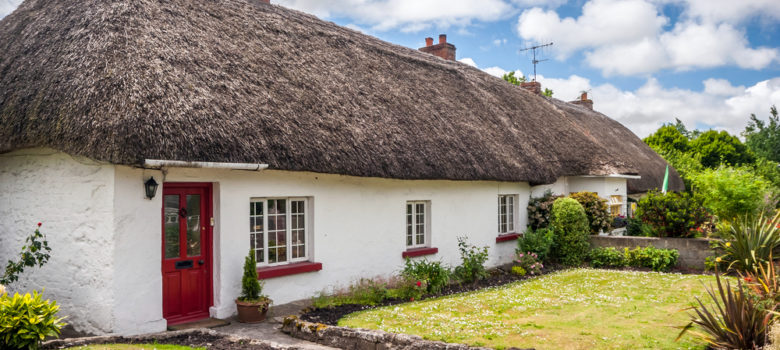
How Warm Are Thatched Roofs Thegreenage
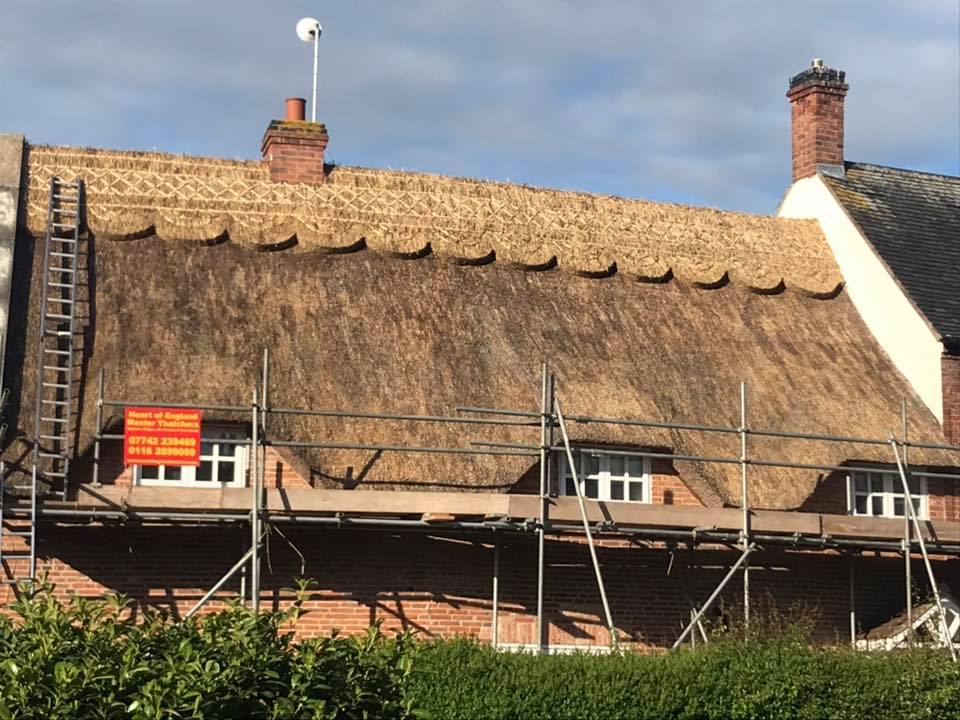
How Long Does It Take To Thatch A Roof Master Thatchers
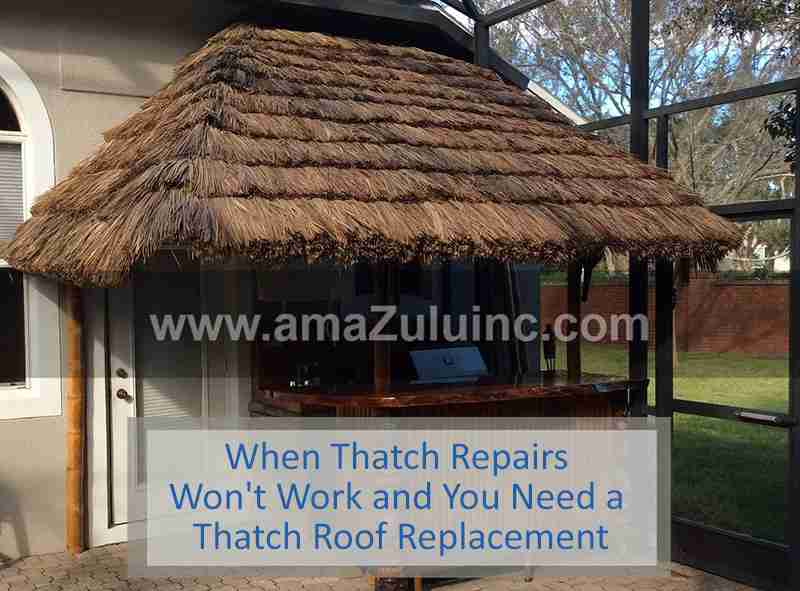
When Thatch Repairs Won T Work You Need A Thatch Roof Replacement Amazulu
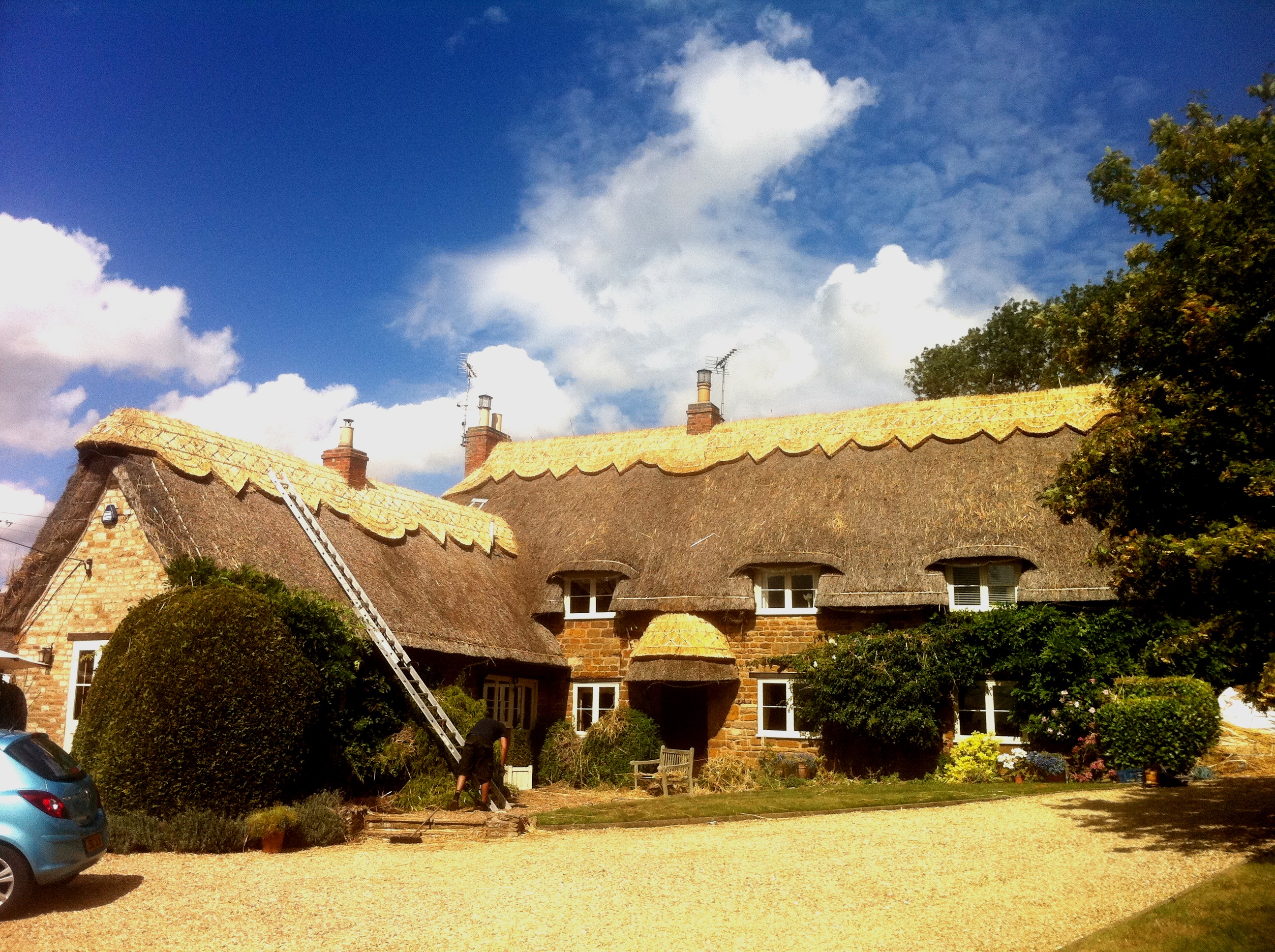
How Long Should A Thatched Roof Last Master Thatchers Hoemt

5 Common Problems With Thatched Roofs
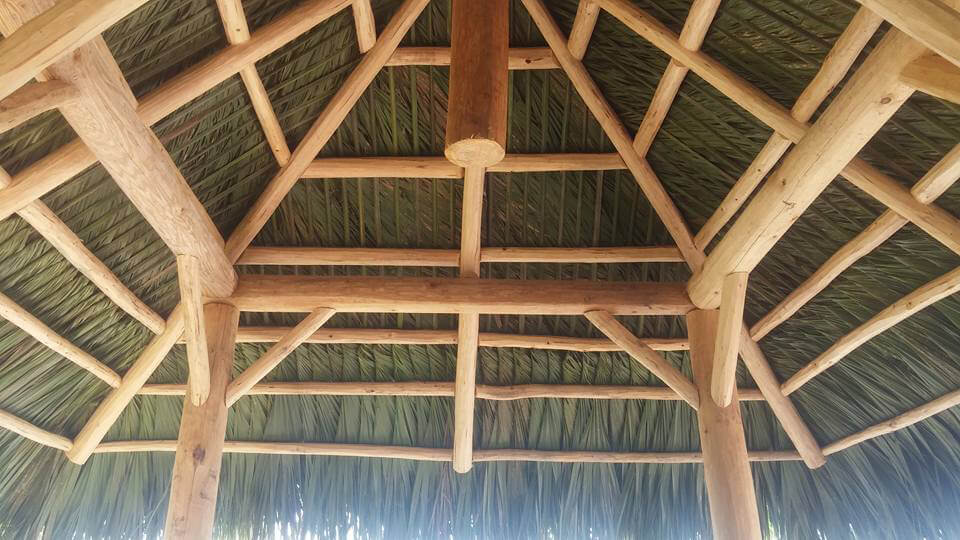
Palm Thatch Re Thatching Tiki Huts Tiki Bar

Thatch Roofing Today Mountain Architects Hendricks Architecture

Ridging A Thatched Roof Thatching Info Com

Thatching In The Later Middle Ages Thatching Info Com
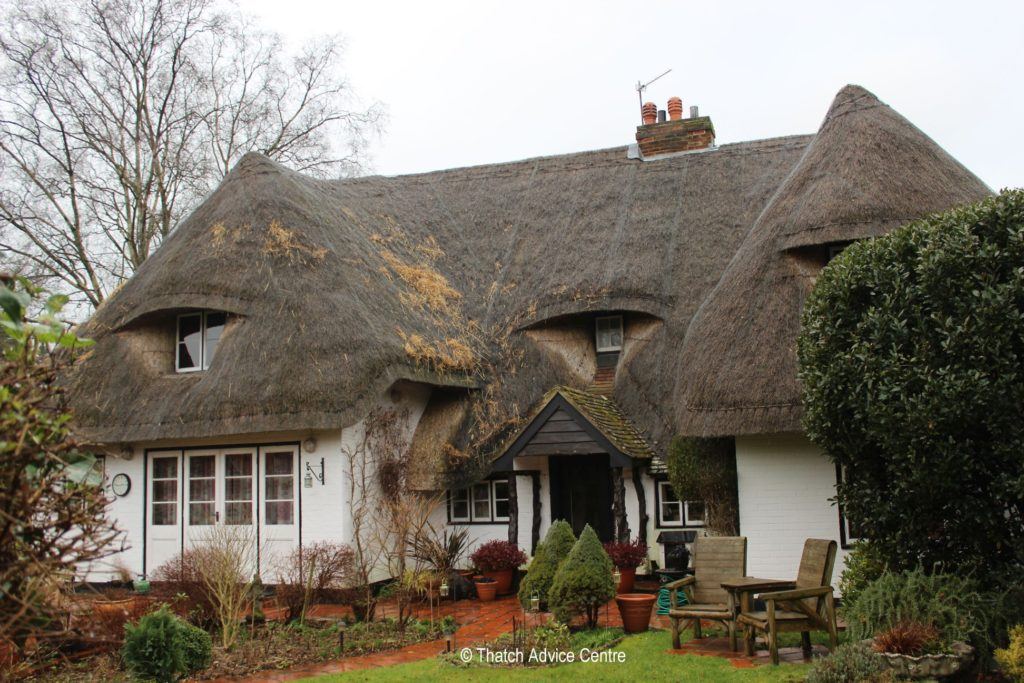
Thatch Pests And How To Deal With Them

A Beginner S Guide Thatching Info Com