How Much Overhang To Not Need A Gutter For Roof

Your House Whisperers Moisture Problems Gutters Part 6
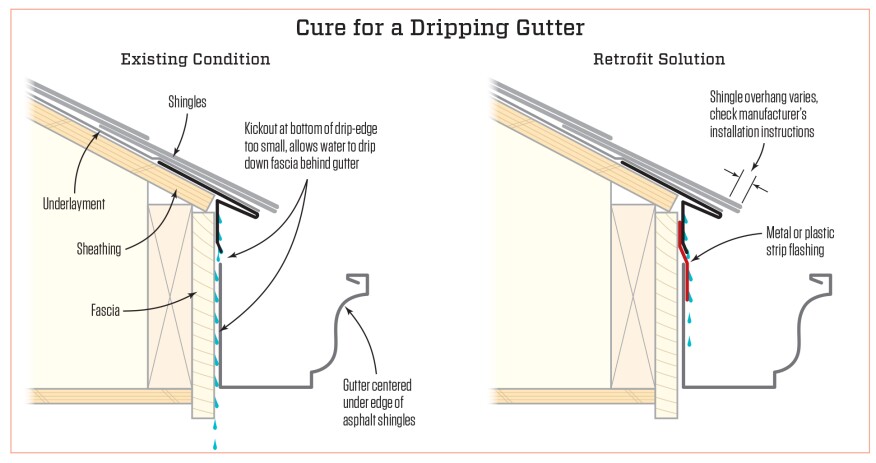
Fixing A Dripping Gutter Jlc Online
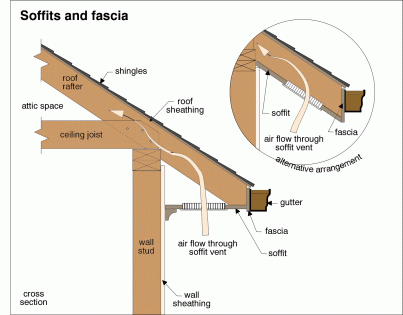
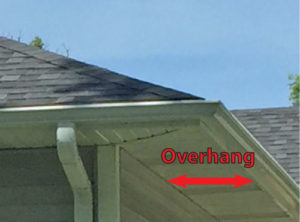
Roof Overhang Gary N Smith Safehome Inspections

Water Protection Contemporary Design With No Overhangs Greenbuildingadvisor
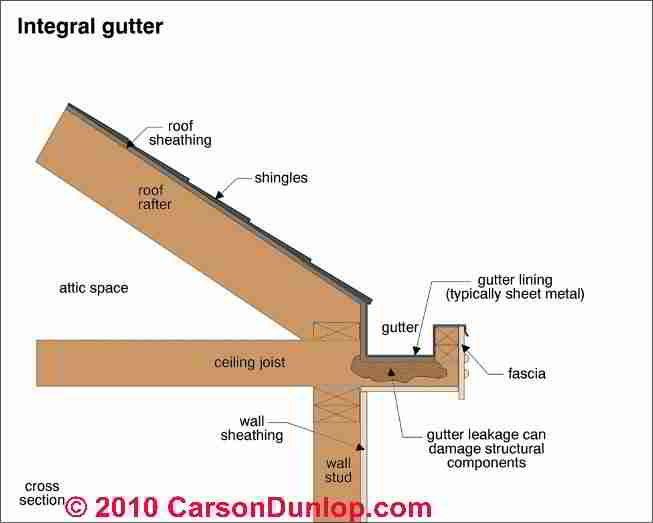
Convert Eaves Trough Or Integral Roof Gutters To Fascia Mounted Aluminum Or Copper Metal Gutters How To

My House Has No Gutters What Should I Do Werner Roofing Grand Haven

Here phil explains how much overhang a roof should have at the gutter.
How much overhang to not need a gutter for roof. Shingle manufacturers say to use a 1 4 to 3 8 inch shingle overhang over the eave where your roof ends. The edge of the shingles should hang over the edge of the roof between an inch and an inch and a half or between a half inch and three quarters of an inch if drip edge flashing is installed and in most cases it should be. Without gutters water cascading over the roof s edge can wash down the side of your home especially in a windy rain event. About 1 inch just enough to assure the water goes into the gutter and not behind it.
Metal is usually installed on rafters or strip sheathing rather than the solid decking used under other materials. We ve seen other references that suggest extending the shingles a bit more than the manufacturers suggest to compensate for wavy eaves but they do not indicate extending more than 1 inch over the eave. A typical metal roof overhang may be 2 to 4 inches or even less. Many installers deliberately bend down the overhang into the gutter to assure no wind blown rain goes between the overhang and the gutter effectively preventing water incursion behind the gutter.
Many roofers claim that having a gutter will ruin the facial boards of your roof. Improperly installed gutters may splash these boards during rainstorms causing them to rot. Knowledgeable roofers will install shingles at just the right overhang for your roof type. When a roofer advises against installing a gutter you should ask for specific reasons.
Greater overhang becomes a point of leverage for gusts of wind to rip off your roofing. Some slight overhang is recommended in conjunction with a drip edge flashing to prevent water from getting under the roofing and onto underlying wood. These boards are one by six inches and support the roof s overhang. Windows doors and siding will be coated with rain water and that can increase the opportunity for leaks.

Water Leaking In Behind The Gutters And Facia How To Decks
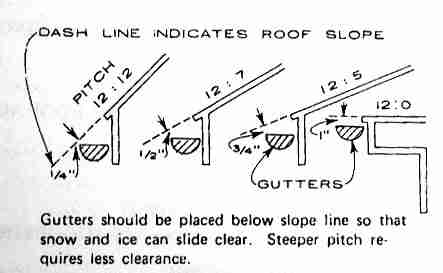
Gutter Leaks And Defects Photo Guide To Roof Gutters Gutter Clogs Leaks Overflows Coming Loose And Roof Gutter Repairs

Is My House Better Off With Or Without Gutters Jlc Online
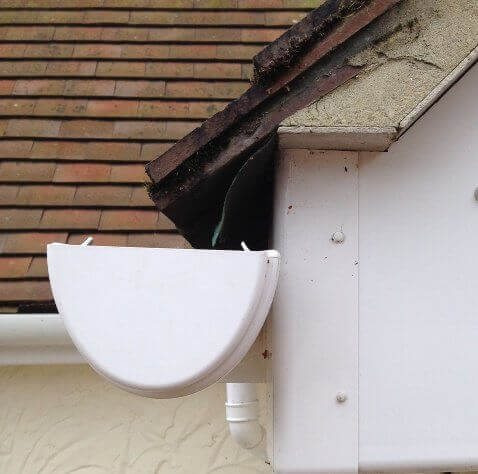
How Far Into The Gutter Should Roof Tiles Project Guttering Roofing Installation Advice
Calculate Roof Cable Length Wrap On
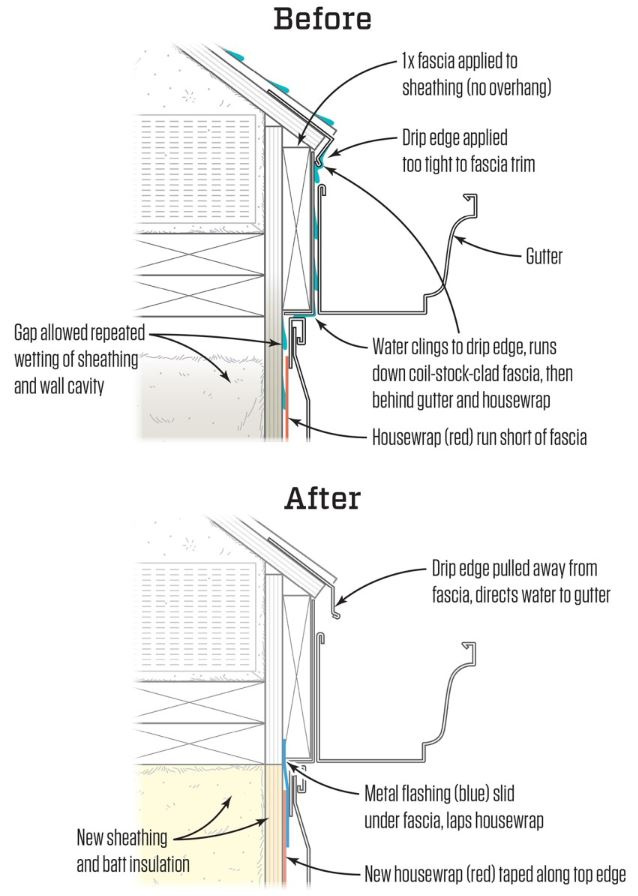
Illustrations Housewrap And Drip Edging Done Right Sbc Magazine
Metal Roof For The Woodshed 2 How Much Overhang Is Too Much

Corrugated Roofing Corrugated Roofing Overhang

Venting A Roof Without Eaves Fine Homebuilding Attic Ventilation Building Ventilation Larch Cladding

Pin On Cool

No Overhang On Gable Ends Ideas Fine Homebuilding

Roof Eaves And Overhangs Golden Spike Roofing

The Overhang

